
“The future of SEO isn’t just ranking on Google it’s being understood, recommended, and trusted by AI”
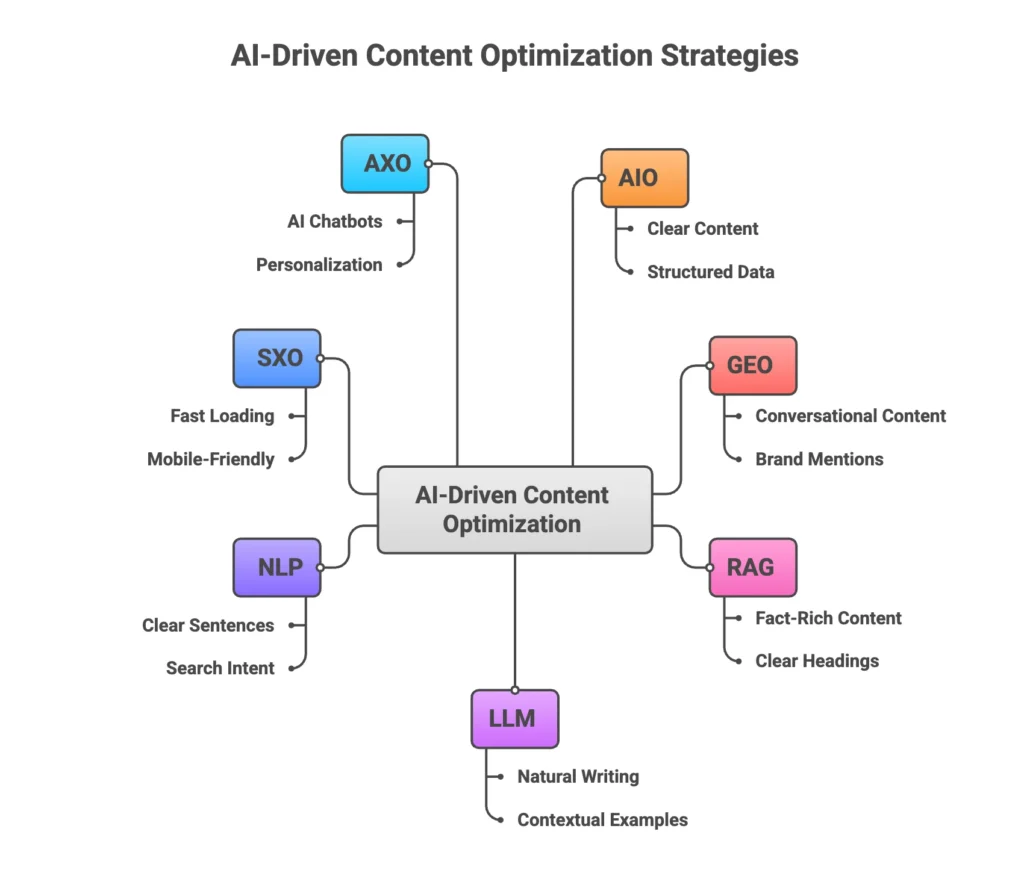
SEO has evolved. In 2025, success is no longer about blue links on Google alone. With the rise of AI search engines (Google SGE, Perplexity, Bing Copilot, Gemini), brands need to be visible where AI retrieves, generates, and recommends information.
This guide breaks down 7 new dimensions of SEO:
- AIO (AI Optimization)
- GEO (Generative Engine Optimization)
- RAG (Retrieval-Augmented Generation)
- LLM (Large Language Models)
- NLP (Natural Language Processing)
- SXO (Search Experience Optimization)
- AXO (AI Experience Optimization)
AIO – AI Optimization
AI Optimization (AIO) means creating content that AI systems can read, understand, and recommend. Before, SEO was about ranking on Google. Now, AI chatbots like ChatGPT, Gemini, Copilot and Perplexity need to easily pull and deliver your content as answers.
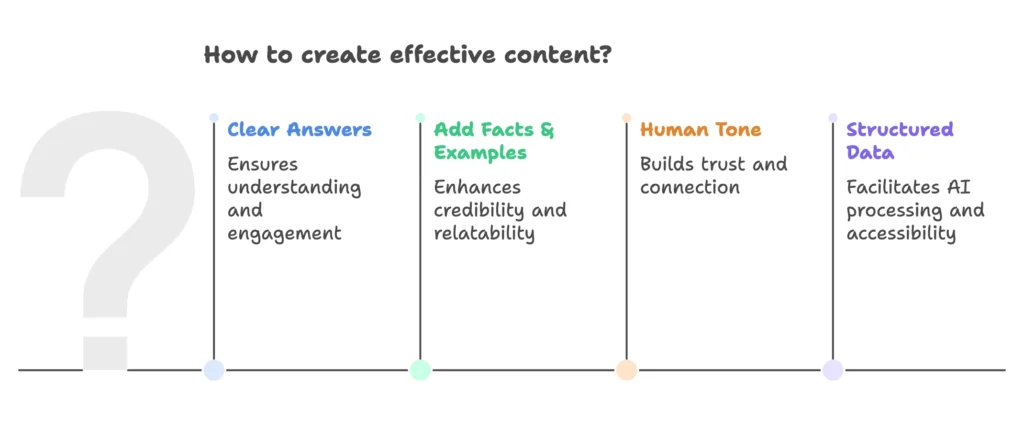
How to optimize for AIO:
- Provide complete answers to common questions.
- Add facts, examples, and step-by-step guides.
- Use structured data (FAQ schema) so AI can extract info.
- Keep tone human and helpful, not robotic.
GEO – Generative Engine Optimization
GEO is the new form of SEO for AI search engines — like ChatGPT search, Perplexity, or Gemini. It’s about making your content AI-friendly so that generative engines show your brand in answers.
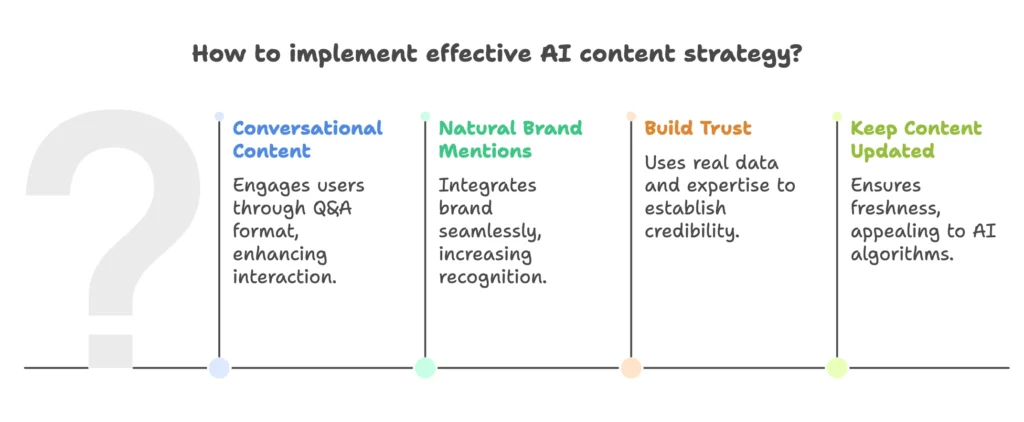
How to optimize for GEO:
- Write in a conversational Q&A format.
- Naturally include brand mentions (“According to Clear My Course…”).
- Build trust and authority with data + expertise.
- Keep content fresh and updated.
RAG – Retrieval Augmented Generation
RAG allows AI systems to fetch real-time data from the internet before answering.If your website has fact-rich, well-structured content, RAG-powered AI will retrieve your data and cite your site.
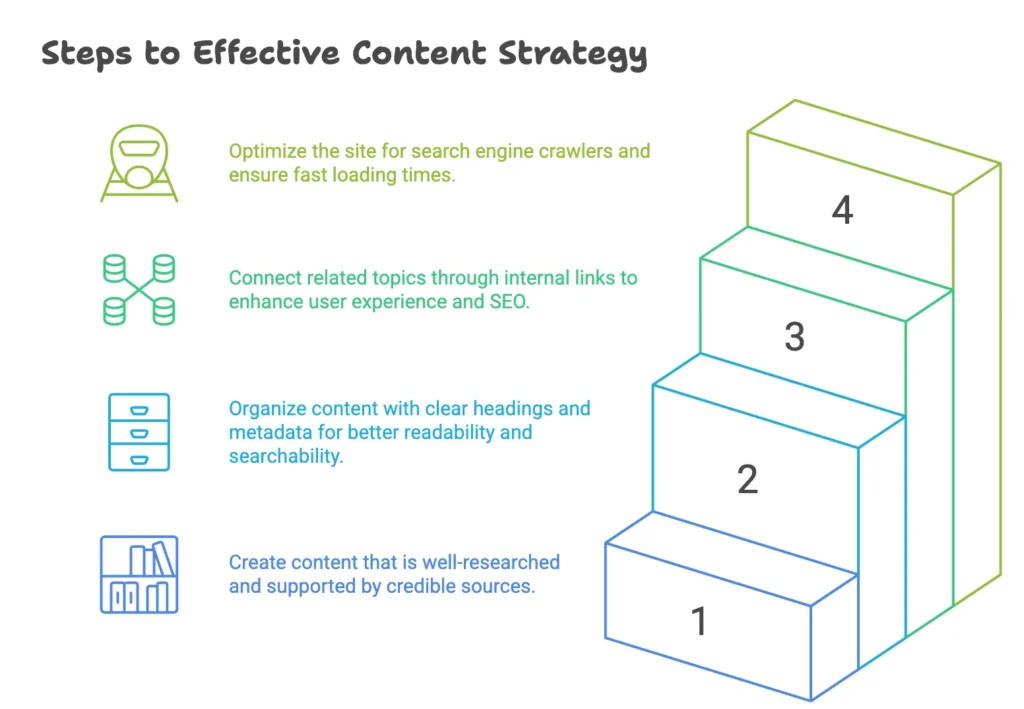
How to optimize for RAG:
- Publish fact-checked, source-backed content.
- Use clear headings, metadata, and schema markup.
- Create content clusters (related blogs linked together).
- Ensure your site is crawlable and fast.
LLM – Large Language Models
LLMs (like GPT-4/5, Gemini, LLaMA) power modern AI tools. They learn by reading human-like text.
How to optimize content for LLMs:
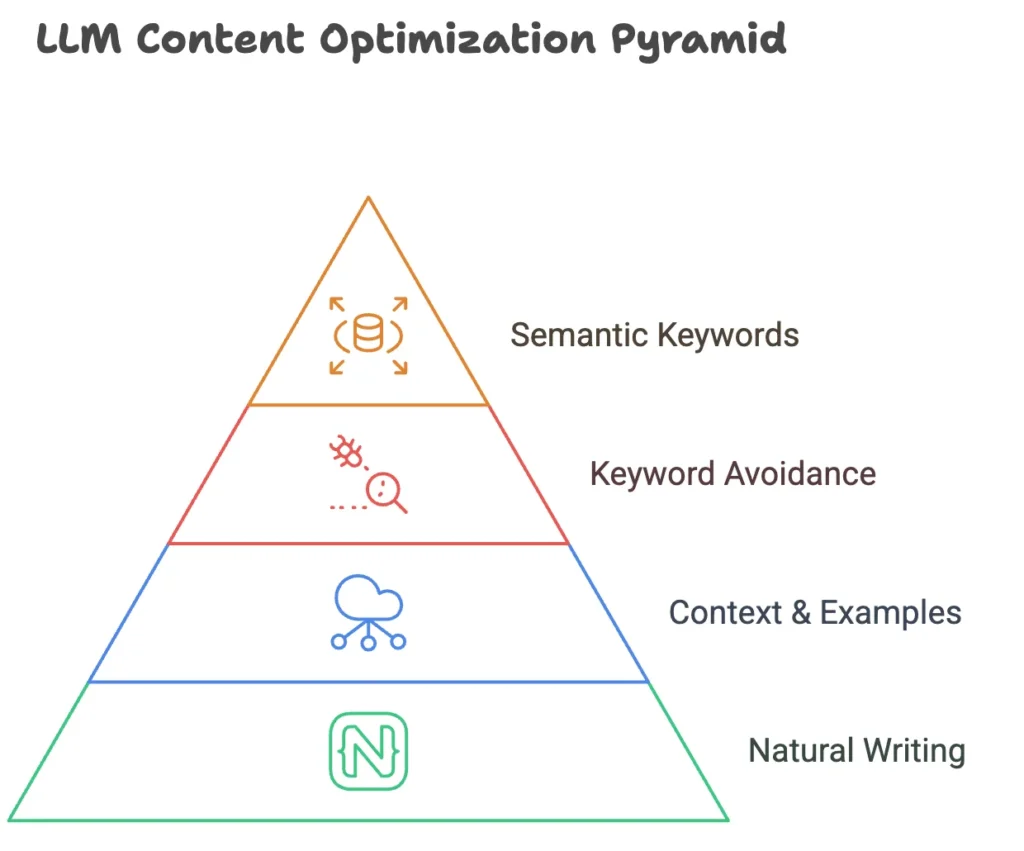
- Write in a natural, conversational style.
- Add examples and context, not just keywords.
- Use semantic keywords (SEO, content marketing, PPC, ads).
- Avoid keyword stuffing (AI models ignore it).
NLP – Natural Language Processing
NLP helps machines understand meaning, intent, and tone. Google already uses NLP models like BERT and RankBrain.
How to optimize for NLP:
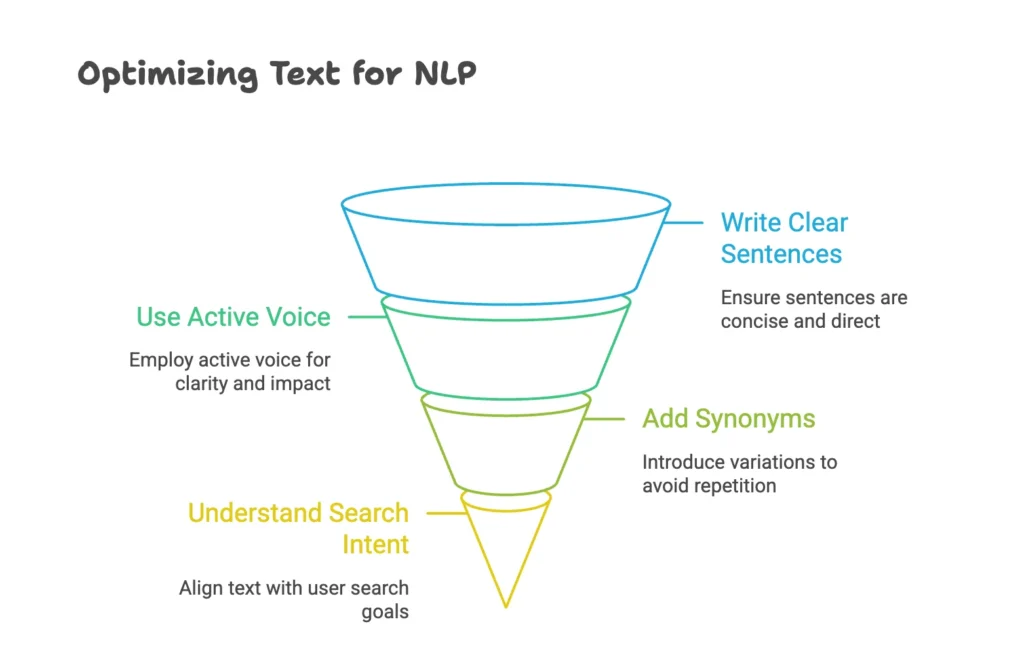
- Use short, clear, active voice sentences.
- Add synonyms and variations (SEO, search engine optimization, website ranking).
- Understand search intent — informational, commercial, transactional.
SXO – Search Experience Optimization
SXO = SEO + UX. Google rewards websites that provide great user experience.
How to optimize SXO:
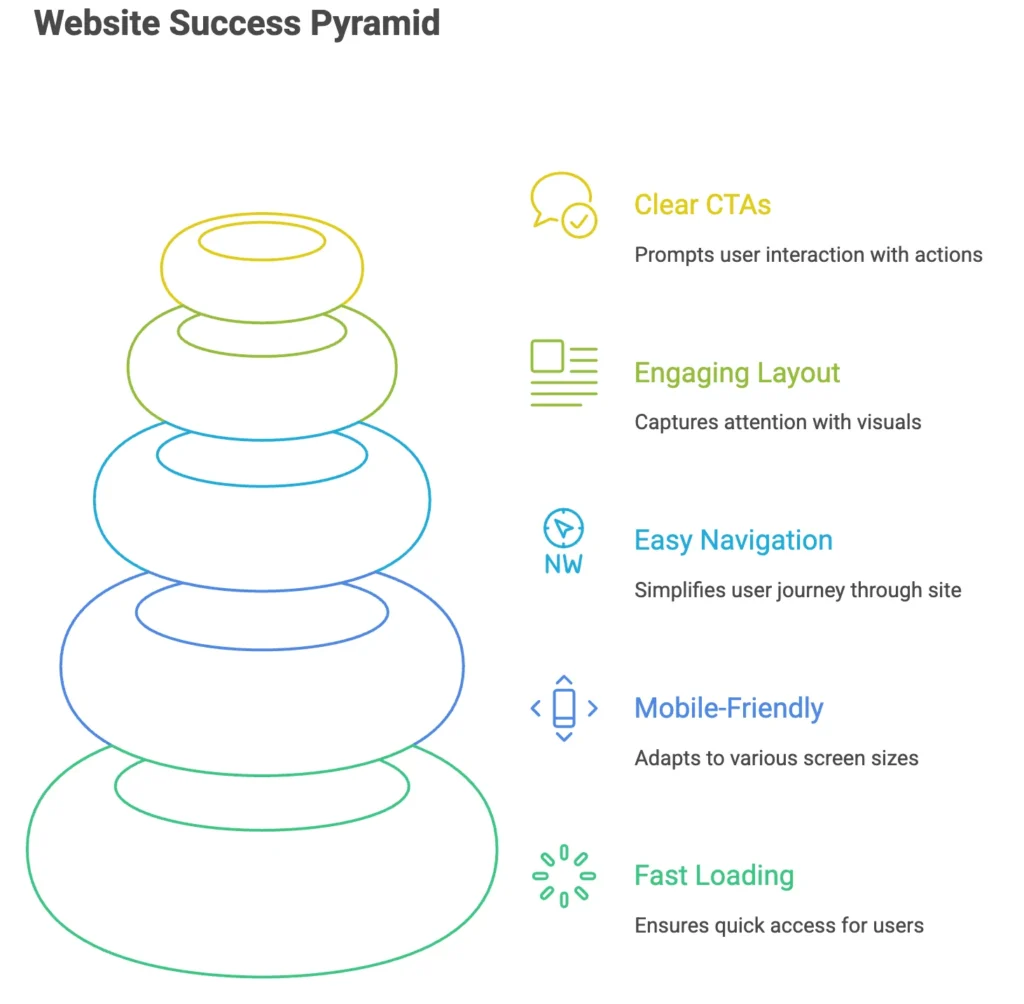
- Fast loading speed (optimize Core Web Vitals).
- Mobile-first design.
- Simple navigation.
- Engaging visuals (images, videos, infographics).
- Clear CTAs: “Book Now,” “Get Free Quote,” “Learn More.”
AXO – AI Experience Optimization
AXO improves how users interact with AI tools on your site — chatbots, voice search, or AI recommendations.
How to optimize AXO:
- Add AI chatbots that answer FAQs and guide visitors.
- Use personalized AI recommendations (“You may also like…”).
- Ensure AI tools are fast, accurate, and friendly.
- Optimize for voice queries (“Best digital marketing course near me”).
As we move into the AI-powered era of search, SEO is no longer just about keywords and backlinks — it’s about training AI to understand, trust, and recommend your brand. From AIO and GEO to SXO and AXO, the future belongs to those who can blend creativity, data, and AI intelligence into one seamless strategy.
If you want to stay ahead of algorithms and lead the AI-SEO revolution, it’s time to upskill — and there’s no better place to start than Clear My Course.
Our Advanced SEO Course is designed for the 2025 generation of digital marketers — covering everything from traditional SEO to AIO, GEO, RAG, LLM, NLP, SXO, and AXO — with hands-on training, live projects, and expert mentorship.
What is AIO in SEO?
AIO (AI Optimization) is the practice of making your content readable and usable by AI systems like ChatGPT or Google Gemini.
What is the difference between GEO and SEO?
SEO focuses on Google ranking, while GEO ensures your content is visible in AI-generated answers from platforms like ChatGPT and Perplexity.
How does RAG affect websites?
Websites with fact-rich, structured content are more likely to be cited by AI systems that use RAG (Retrieval-Augmented Generation).
What is SXO in SEO?
SXO combines SEO and UX — ensuring search engines and users both find your site useful, fast, and enjoyable.
What is AXO in digital marketing?
AXO (AI Experience Optimization) improves user interactions with AI on your site — like chatbots, voice search, and personalized recommendations.
